


The 2025 round up: Film and Furniture’s most read features
This year has reaffirmed just how vital furniture and interiors remain to the language of film and television. Across cinema and streaming, we’ve seen design working harder than ever — anchoring characters, shaping emotional tone and quietly guiding the way stories unfold. From monumental architectural statements to carefully chosen domestic details, 2025 has brought us a rich visual landscape for anyone who believes that objects on screen matter.
At Film and Furniture, we’ve continued to dig beneath the surface, exploring not just what we see on screen, but why it’s there.
Partnerships and community
We were delighted to partner with outstanding furniture retailers including Holloways of Ludlow, Chaplins and Vinterior, whose support helped us keep Film and Furniture thriving throughout the year.
Alongside this, we had great fun treating our newsletter subscribers to a run of competitions — with prizes ranging from film books and tickets to exhibitions and events, to designer table lamps, DVDs and even behind-the-scenes, screen-used décor.
Conversations beyond the screen
The Film and Furniture Podcast truly took flight this year, opening up longer, more revealing conversations with production designers, set decorators and filmmakers. These interviews allowed us to go deeper than ever before, uncovering the thinking, references and constraints behind the sets and objects audiences often remember long after the credits roll — and the response has been wonderful, with the podcast becoming one of Spotify’s most shared and most talked-about shows of 2025.
Our community continues to grow, with strong readership across the website and an expanding newsletter audience — and our Instagram in particular saw a significant surge in followers. It’s been encouraging to see Film and Furniture increasingly recognised as a trusted resource for film lovers, design enthusiasts and industry professionals alike — a niche we’ve carefully and deliberately built.
Behind the scenes
This year also marked significant progress for our founder Paula Benson’s forthcoming book — a long-term project that brings together years of research into the hidden stories behind furniture and interiors in film and TV. It’s been a year of writing, revisiting physical archives, and speaking directly with the designers and creatives responsible for some of cinema’s most memorable spaces.
2025 also took us further afield. Paula delivered a talk at the Vitra Design Museum, alongside a rare and breathtaking tour of the archives, and hosted a talk and quiz at Design London. These moments weren’t just about the events themselves, but about being in the room — meeting readers and fellow design obsessives, sharing stories, and reconnecting with the tactile, human side of film and furniture culture.
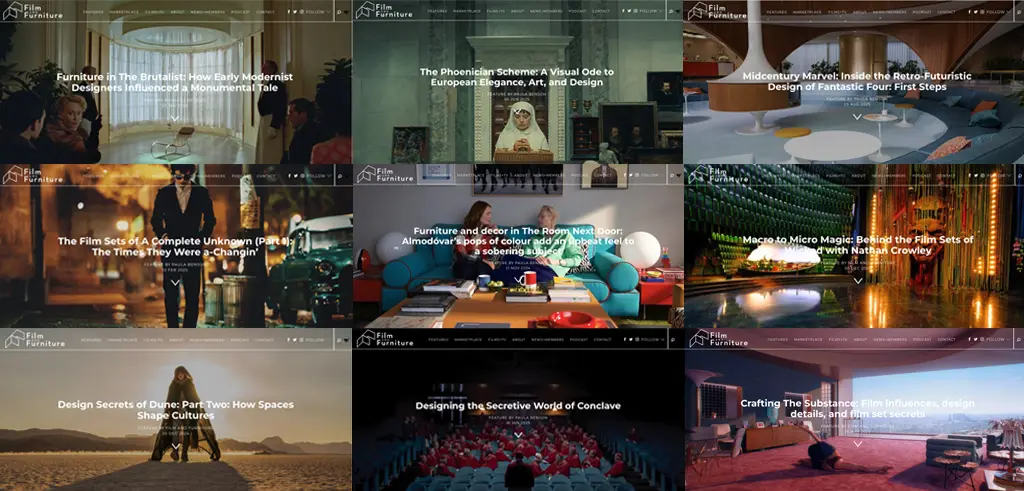
Film and Furniture’s Top 10 most read features of 2025
As ever, the articles here on the website, that resonated most reveal a great deal about what endures: modernist furniture that refuses to date, films that understand the narrative power of space, and objects that transcend their original context to take on a life of their own. Below, we revisit the features you returned to most in 2025 — a snapshot of the stories, films and design details that captured your attention this year.
No.10. The Deetz house and Tim Burton’s otherworldly designs in Beetlejuice Beetlejuice

Directed by Tim Burton, Beetlejuice Beetlejuice marked a return to a visual world that is at once playful and unsettling. For the Deetz dining room, production designer Mark Scruton created a sophisticated space dressed in muted greys and golds, featuring a glass-topped table with softly curved edges, upholstered chairs and a mid-century-style sideboard. Apparatus Reprise pendant lights and matching globe table lamps hover above the table like ethereal orbs. As Scruton explains, “We wanted these spheres to feel like spirit globes, hinting at Delia’s connection to the supernatural.” It’s a room where refinement and otherworldliness quietly coexist.
No.9. The Phoenician Scheme: a visual ode to European elegance, art and design
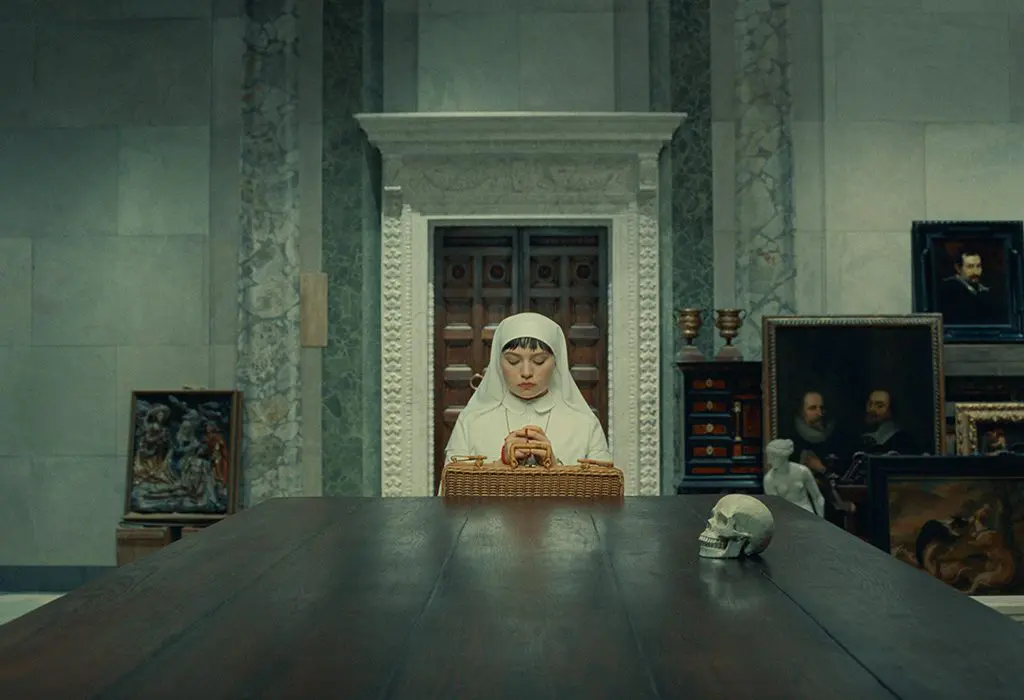
Wes Anderson’s The Phoenician Scheme, designed by production designer Adam Stockhausen with set decoratation by Anna Pinnock, is steeped in architectural reference and visual wit. Our favourite space is Korda’s grand entrance gallery — inspired by palatial villas and castles around Berlin, with trompe l’oeil marble walls and columns that echo the craftsmanship of Venetian palazzos. The room functions as both a statement of Korda’s character and a distillation of Anderson’s controlled, symmetrical world, where illusion, architecture and furniture combine to theatrical effect.
-

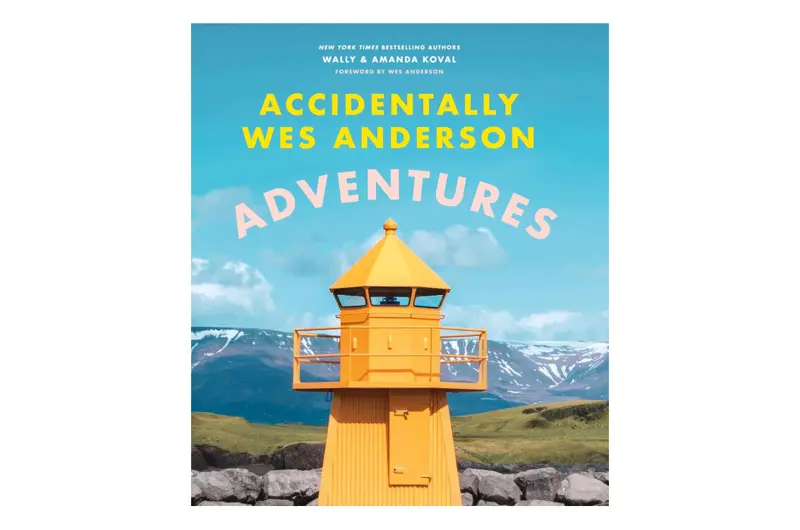
Accidentally Wes Anderson Adventures
As seen in:Director: Wes Anderson
Shop NowThe well-loved series returns with Accidentally Wes Anderson Adventures: 200 fresh, astonishingly picturesque places to add straight to your travel wish list – each paired with the extraordinary true stories that make them unforgettable.
No.8. Behind the film sets of Wicked, with production designer Nathan Crowley

Directed by Jon M. Chu, Wicked arrived with enormous visual ambition, anchored by Nathan Crowley’s richly layered production design. Our standout space is the dorm room at Shiz University, where Elphaba and Glinda first meet. The university itself draws on American grandeur, Moorish arches and Venetian courtyards, with students arriving by boat through a landscape of onion domes, arches and water passages. The dorm interiors strike a balance between collegiate practicality and theatrical magic. As Crowley puts it, “The architecture speaks to the harmony between nature and magic.”
No.7. Designing the secretive world of Conclave
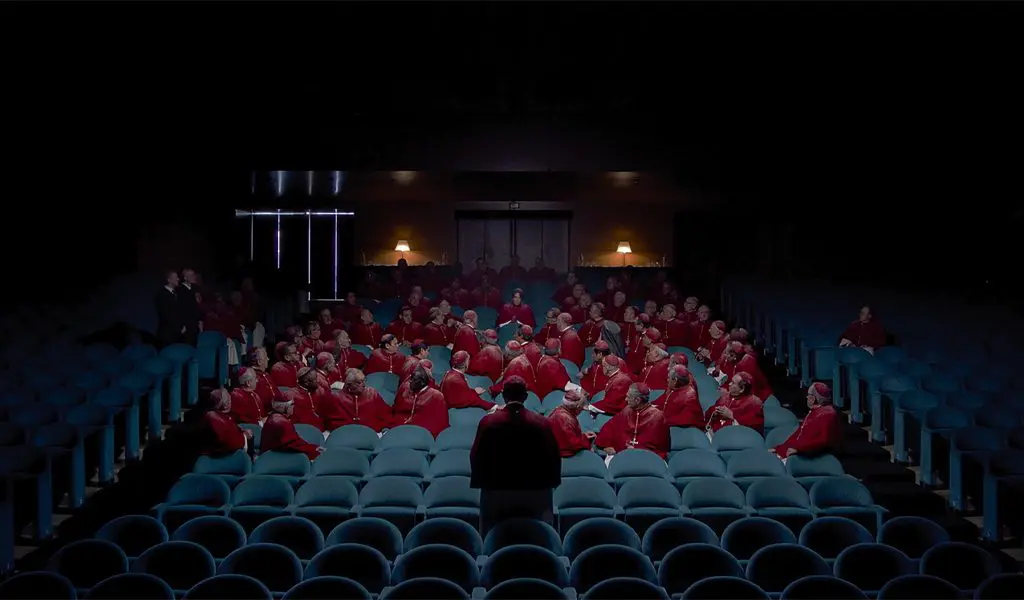
Edward Berger’s Conclave, designed by Suzie Davies, is defined by restraint and precision. Our focus was on the recreation of the Vatican’s sacred interiors — most notably the Sistine Chapel. Unable to film in the Vatican itself, Davies and her team worked with skilled craftspeople at Cinecittà Studios in Rome to rebuild these spaces from the ground up. “We couldn’t film in the Vatican, of course,” Davies explains, “but we were lucky enough to work with brilliant craftspeople to bring it to life.” Throughout the film, furniture is minimal, ceremonial and deliberate, reinforcing themes of ritual, power and secrecy.
No.6. Design secrets of Dune: Part Two

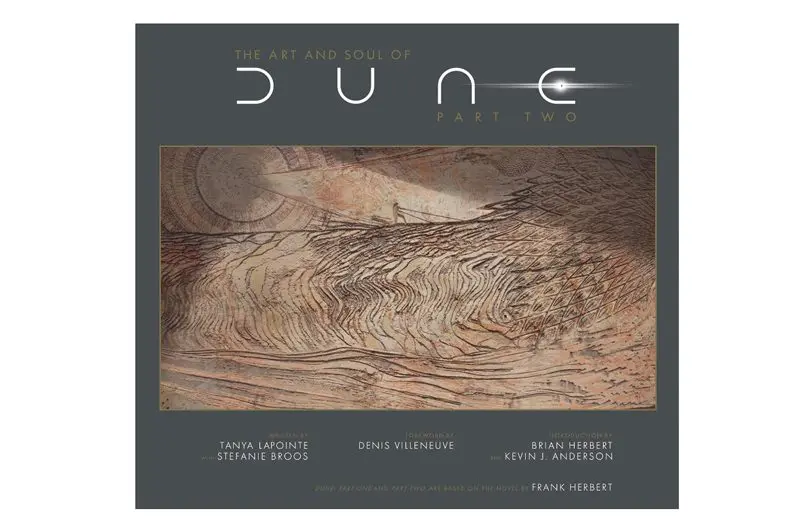
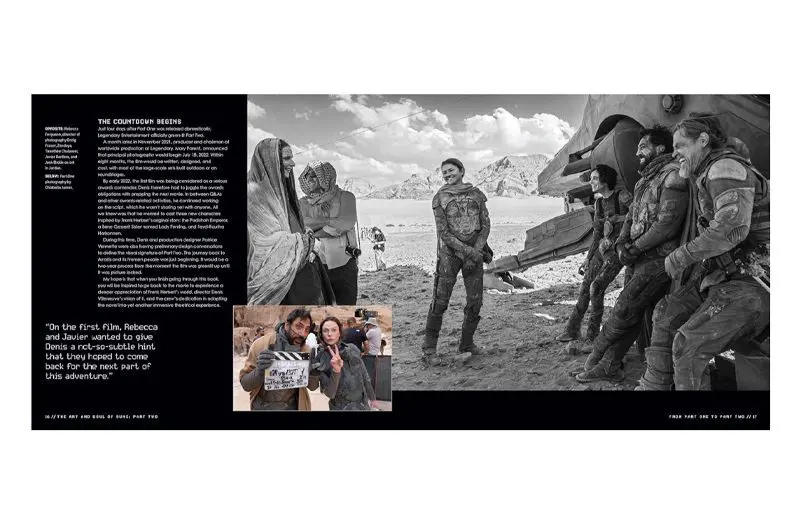
Denis Villeneuve’s Dune: Part Two, with production design by Patrice Vermette, expanded its visual universe in striking ways. Our favourite environment is the Imperial world of Kaitain, seen through Princess Irulan (Florence Pugh). Vermette drew direct inspiration from the work of Italian architect Carlo Scarpa, even filming at Scarpa’s Brion Tomb in Altivole. The result is a world that balances brutalist weight with delicate detail — a fitting aesthetic for imperial power rendered timeless rather than futuristic.
-

The Art and Soul of Dune Part Two (book)
As seen in:Designer: Patrice Vermette
Director: Denis Villeneuve
Shop NowThe book The Art and Soul of Dune Part Two is a gateway to immerse yourself in the world of Denis Villeneuve’s Dune: Part Two movie and discover the incredible creative journey that brought this new instalment to the big screen.
No.5. Crafting The Substance: film influences, design details and set secrets

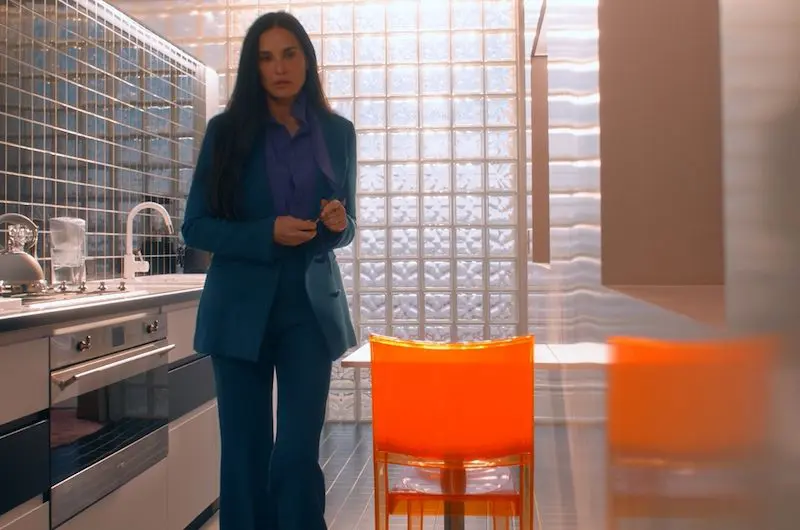
Directed by Coralie Fargeat and designed by Stanislas Reydellet, The Substance uses interiors to externalise isolation. At its centre is Elizabeth’s Los Angeles apartment — vast, elevated and sparsely furnished. “The idea was to position Elizabeth at the top of society,” Reydellet explains, “with the rest of the world beneath her.” The furniture blends influences from the 1940s through to the 1990s, deliberately out of time. The lack of personal possessions is key: emptiness becomes the most expressive design decision in the film.
No.4. The film sets of A Complete Unknown – the authentic energy of an era

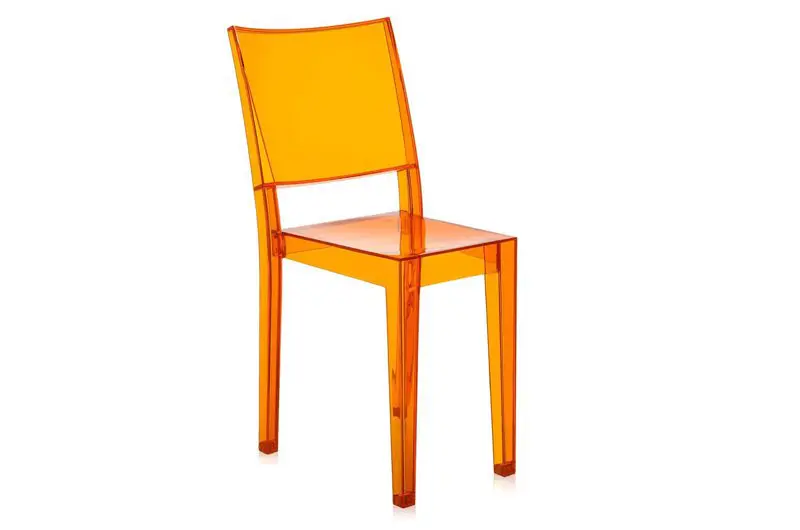
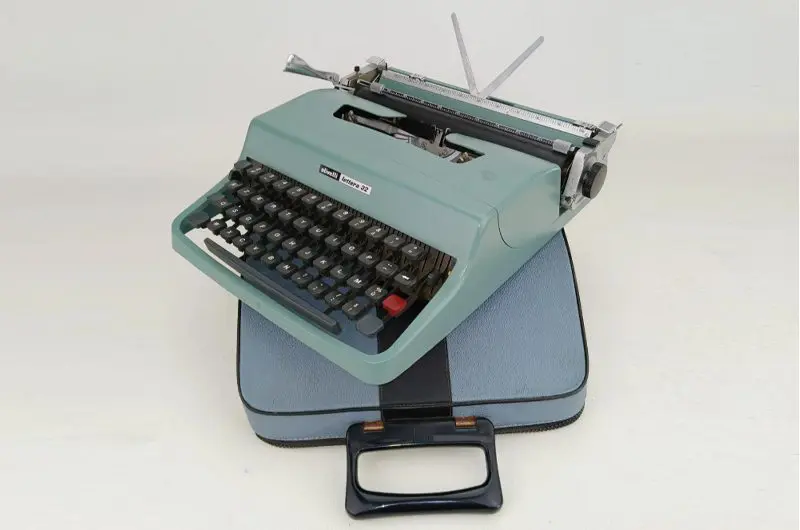
James Mangold’s A Complete Unknown, designed by François Audouy with set decoration by Regina Graves, is anchored by Bob Dylan’s modest New York apartment. Meticulously recreated using over 200 original photographs taken by Ted Russell between 1961 and 1964, the space feels uncannily real. “It wasn’t really a set as much as it was a time machine,” Audouy reflects. Graves told us the team sourced a period-correct portable record player, eventually settling on a Philco Stereophonic Model G-1412 — a small object carrying enormous cultural weight.

No.3. Midcentury Marvel: inside the retro-futuristic design of Fantastic Four: First Steps
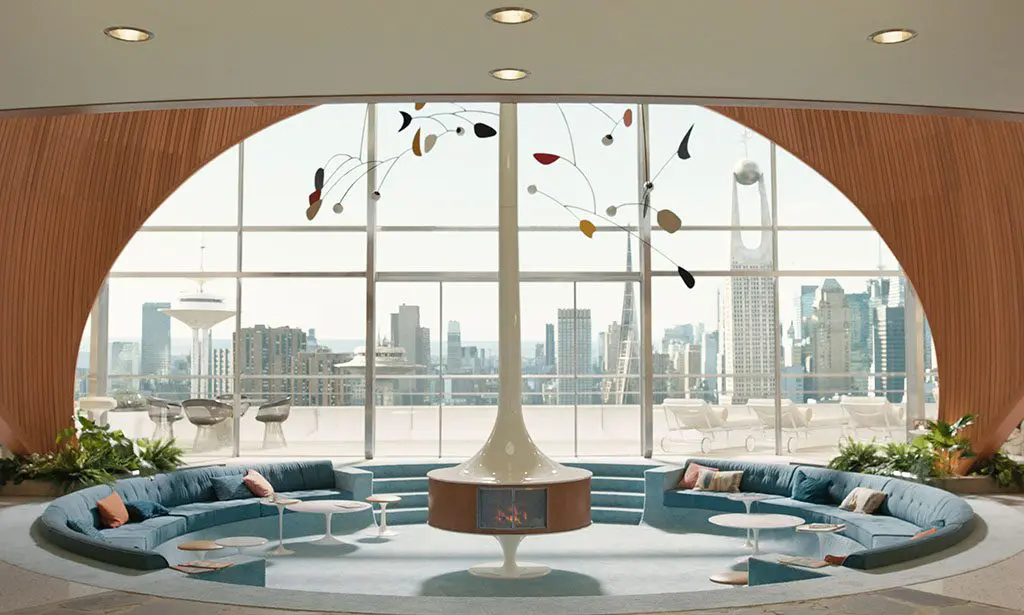
Designed by Kasra Farahani, Fantastic Four: First Steps finds its emotional centre in the Baxter apartment. Our favourite aspect is the way the space is constructed as a warm, wooden cocoon within a glass skyscraper. Flagstone floors lead to a sunken conversation pit, anchored by a sculptural fireplace whose form echoes Eero Saarinen’s Tulip silhouette. Farahani’s goal was not luxury, but liveability — creating a home that feels aspirational without losing its humanity.
-

Tulip Table by Eero Saarinen (new and vintage)
As seen in:Designer: Eero Saarinen
Knoll
Directors: Akiva Goldsman, Steven Spielberg, Matt Shakman
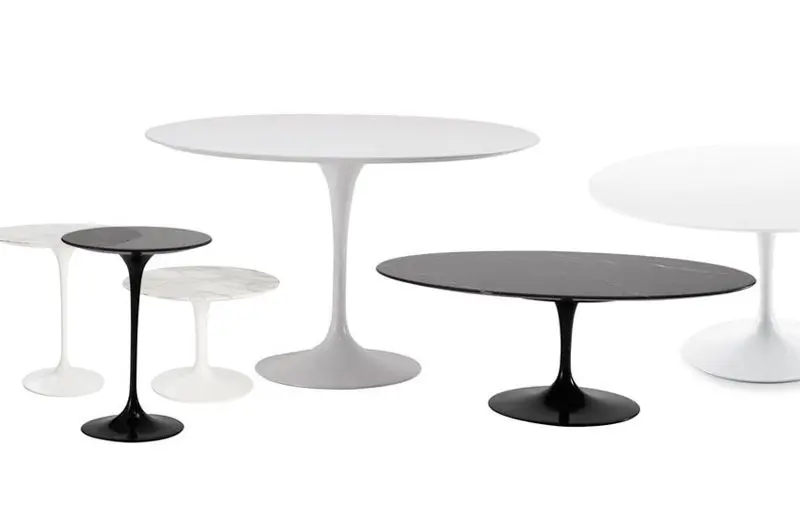
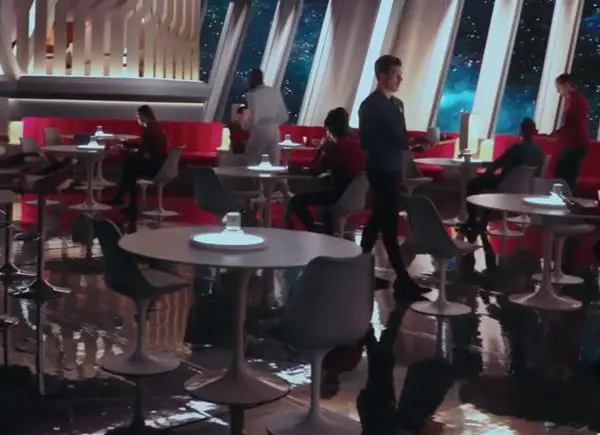
Shop NowThe Tulip table is part of Eero Saarinen’s Pedestal collection which includes the Tulip chair, Stool, Dining Table, Coffee Table and Side Table all designed in the 1950s and still in production today. We see a collection of Tulip Tables in the retrofuturist living room in Fantastic Four: First Steps, Mad Men, Star Trek: Strange New Worlds, The Fabelmans and more.
No.2. Furniture and décor in The Room Next Door: Almodóvar’s pops of colour

Pedro Almodóvar’s The Room Next Door uses colour as emotional punctuation. In Martha’s Manhattan apartment, our standout piece is the turquoise sofa with circular bolster arms and red piping — the setting for some of the film’s most intimate conversations. It’s a piece that carries both visual boldness and emotional softness, perfectly encapsulating Almodóvar’s belief in furniture as an expressive storytelling tool.
No.1. Furniture in The Brutalist: how early modernist designers influenced a monumental tale

Taking the top spot in 2025, Brady Corbet’s The Brutalist, designed by Judy Becker, struck a chord with readers drawn to its architectural clarity and modernist restraint. Our favourite scene is Van Buren’s library. What was once a dark, heavy space filled with Art Deco furniture and deep red drapes is reborn as a light-filled, minimalist marvel. Tóth’s redesign introduces floor-to-ceiling plywood bookcases that hinge open in unison, alongside a show-stopping chaise with a built-in book stand — a perfect synthesis of form, function and ideology.
Evergreen favourites
Beyond this year’s most-read features, a small group of articles continues to resonate year after year. Our deep dive into The Shining’s Overlook Hotel carpet remains foundational to Film and Furniture, while our exploration of the furniture and film sets of A Clockwork Orange continues to attract readers fascinated by the enduring influence of modernist design on screen. Bruce Wayne’s modernist interiors in Batman v Superman offer a compelling study of how architecture and furniture can express character, ideology and power, while Star Trek: Strange New Worlds endures as a reader favourite for its confident fusion of mid-century modern design and sci-fi futurism.
Together, these evergreen pieces underline the lasting appeal of cinematic interiors that transcend era, genre and trend.
And if you’d rather watch and listen than read, take a look at The Film and Furniture Podcast: Our 10 Most-Listened-To Episodes of 2025 — a round-up of the interviews that generated the most discussion and stayed with listeners long after the episodes ended.
Thank you for your continued interest — and huge congratulations to the art department teams who bring these worlds to life. You truly shape the way we see cinema.
See you in 2026.
This feature is FREE to Classic members.
Join our newsletter community to receive Film and Furniture inspiration direct to your inbox and we’ll UPGRADE you to Classic Membership (which includes access to our exciting giveaway draws) for FREE.
To access in-depth features, video interviews, invitations to pre-release film screenings, major exhibitions and more, become a Front Row or Backstage member today!


 Facebook
 Twitter
 Instagram
 Pinterest
 RSS
RSS