


Making Marie Antoinette: Sofia Coppola, the extraordinary interiors of Versailles and a mother’s view from behind the camera
Twenty years after Sofia Coppola brought Marie Antoinette to the screen in a glorious celebration of French Rococo splendour, a new documentary filmed by her late mother, Eleanor Coppola, takes us behind the scenes. We explore the film’s extraordinary interiors, furniture and decorative details, and the fascinating parallels between a young queen, an ambitious filmmaker and the mother observing it all.
Sofia Coppola’s Marie Antoinette (2006) gave us fascinating characters, an unforgettable soundtrack and some of the most lavish and alluring film interiors of the last twenty years. From floral wallpapers and intricately carved gilt furniture to embroidered silks, extravagant beds and rooms drenched in delicious colour, almost every frame is a work of art.
We’ve shared images from the film countless times at Film and Furniture. It has that remarkable ability to make you linger in its dreamlike rooms, examine the upholstery or study a piece of 18th-century French furniture. Now, there’s a compelling reason to return to Versailles.
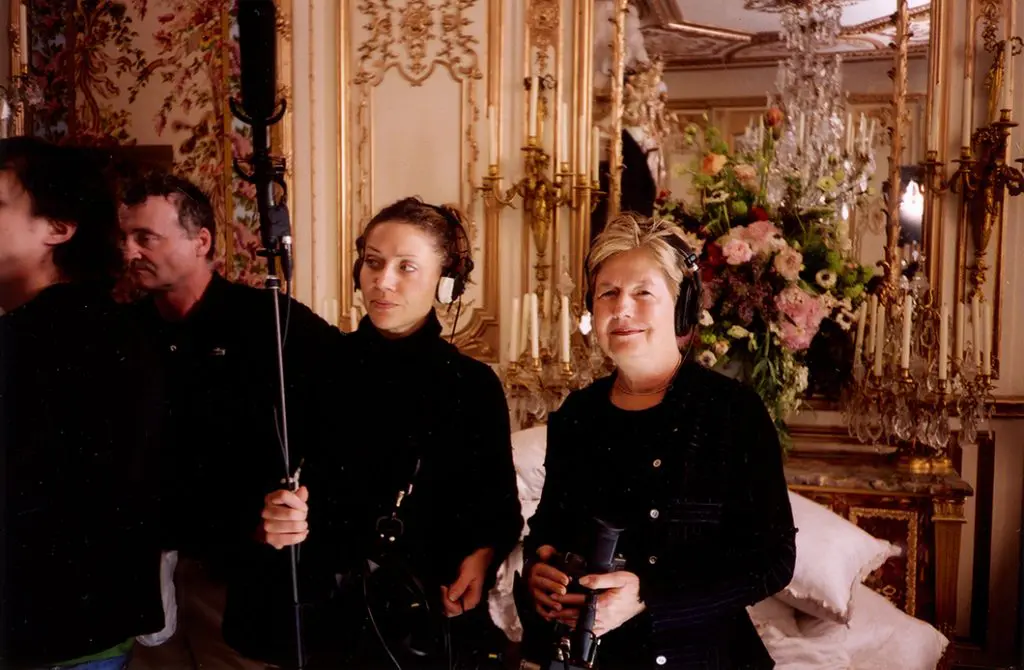
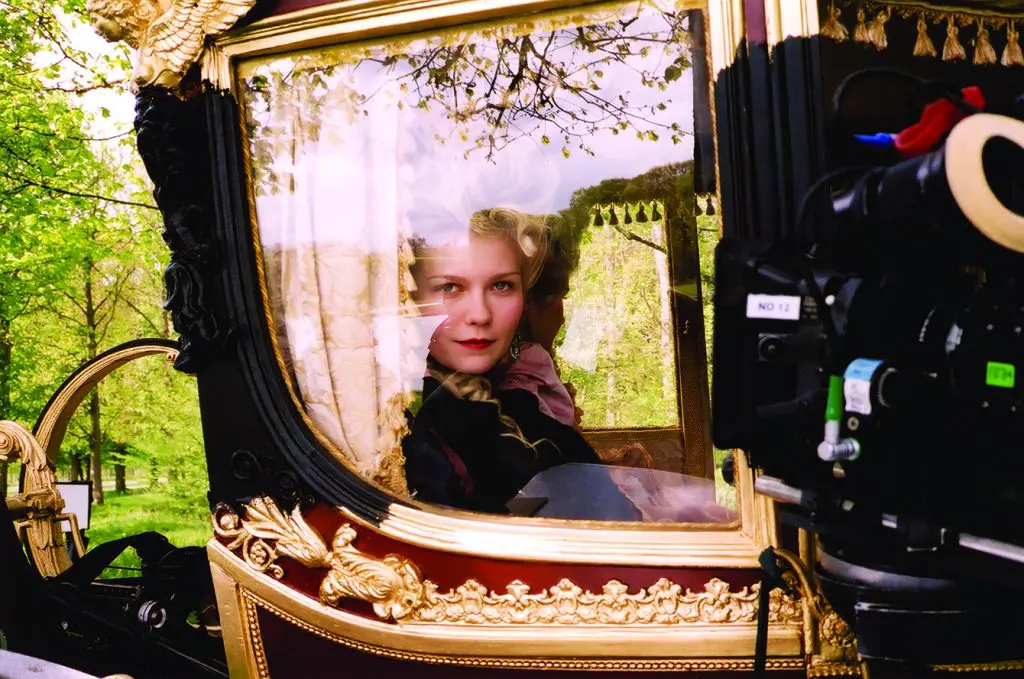
Making Marie Antoinette (2026), directed by Sofia’s late mother, Eleanor Coppola, draws on around 80 hours of previously unseen footage shot during production in 2005. The documentary reveals the immense craftsmanship behind the film while offering an intimate portrait of a mother watching her daughter at a significant moment in her career.
We attended Sofia Coppola’s conversation with Edith Bowman at the BFI London Film Festival, followed by a screening of the documentary later that day. Both offered fresh insight into the artistry behind those beautiful images and the fascinating symmetry connecting the two films.
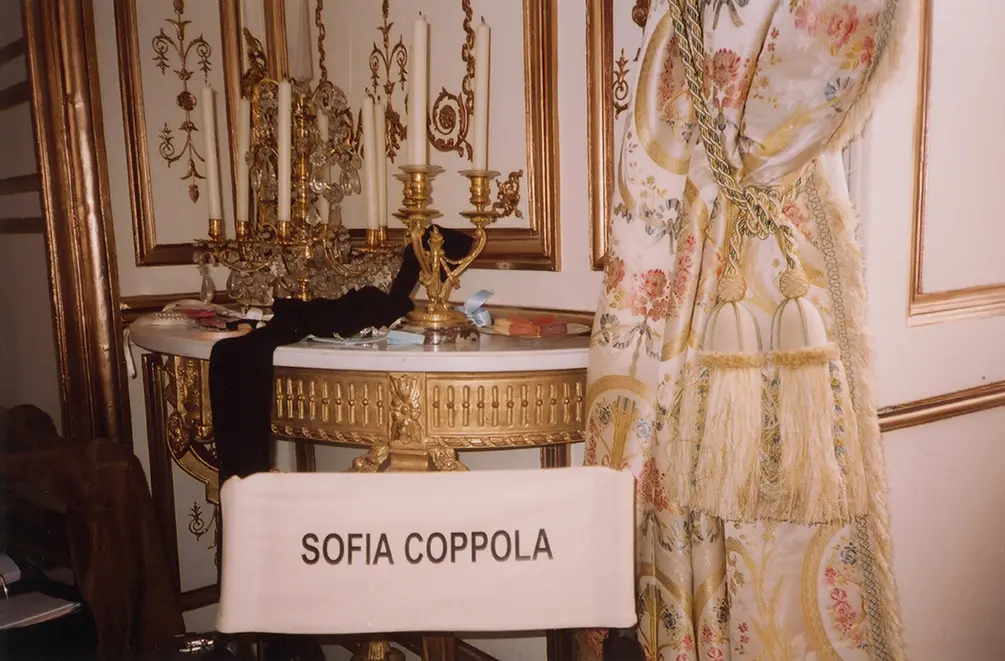
Three women, three worlds: Marie, Sofia and Eleanor
In Marie Antoinette, a teenage girl arrives at Versailles and finds herself immersed in an unfamiliar world of ceremony, rigid protocol, extraordinary wealth and overwhelming expectations. Every aspect of her existence, from the clothes she wears to the bedroom she occupies, is governed by elaborate rituals she must learn to navigate.
Behind the camera, Sofia Coppola, then 34, was negotiating a grand and unfamiliar world of her own. Making her most ambitious production to date, she was directing an international cast and a vast creative team within the magnificent, highly regulated surroundings of the French palace.
Like Marie, Sofia had entered an environment with its own complicated procedures, hierarchies and expectations, and had to find a way to make it her own. Watching it all unfold was her mother, Eleanor, documenting the experience through the lens of her camera. The parallels are rather wonderful: a young queen navigating the unfamiliar world of court life, a director finding her way through the complexities of filmmaking on a grand scale, and a mother documenting it all from behind the camera.
There’s another lovely connection between Sofia, Eleanor and Marie Antoinette. Sofia recalls showing her mother drawings of girls dressed as princesses when she was little, which Eleanor enthusiastically encouraged. Years later, Sofia was bringing those childhood imaginings to life on an extraordinary scale, surrounded by silk gowns, towering hairstyles and gilded splendour. And her mother was still there, supporting her creativity, this time with a camera in her hands.
Eleanor had her own artistic story to tell. She studied Applied Design at UCLA and began her film career working in art direction before becoming an acclaimed documentary filmmaker and visual artist. Her behind-the-scenes footage of her husband Francis Ford Coppola’s notoriously difficult production of Apocalypse Now became central to the award-winning documentary Hearts of Darkness: A Filmmaker’s Apocalypse (1991). She was therefore no stranger to observing filmmakers under pressure, and her interest in the visual details, people and processes behind Marie Antoinette came with decades of creative experience.
Twenty years later, with Eleanor no longer here, the footage has acquired particular poignancy. Sofia and Eleanor began reviewing it during the Covid pandemic, hoping to turn the material into a feature-length documentary. Following Eleanor’s death in 2024, Sofia helped fulfil that ambition. “She was on set as a filmmaker and also my mother, so I found it so moving to go back through the material and to see our shoot through her eyes,” Sofia recalls.
There’s something particularly affecting about this exchange of perspectives: Eleanor looking at her daughter through the camera in 2005, and Sofia looking back at her mother through the footage twenty years later.
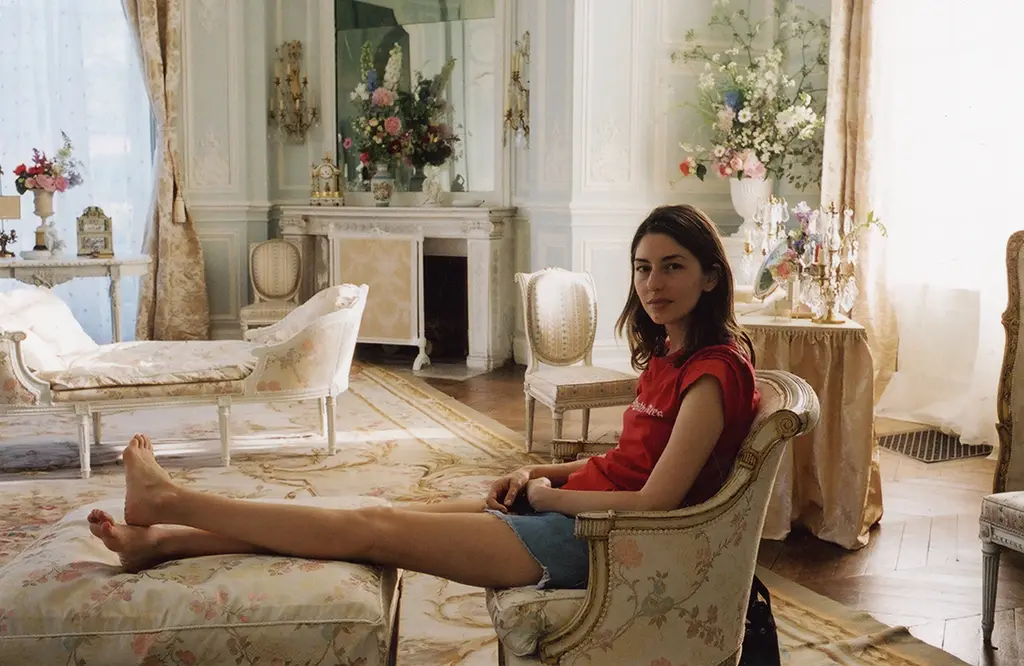
Finding her creative voice: Sofia Coppola in conversation
Seeing Sofia in conversation with Edith Bowman at London’s Royal Festival Hall was a pleasure. She came across as thoughtful, humble and generous in sharing her experiences, particularly the uncertainties of finding her creative direction.
Growing up surrounded by filmmaking, Sofia absorbed a great deal from being on set with her father, Francis Ford Coppola, especially the importance of collaboration. Yet her own career was far from a foregone conclusion. She studied painting at CalArts, explored different creative paths and gradually discovered that filmmaking could bring together her interests in art, photography, music and storytelling.
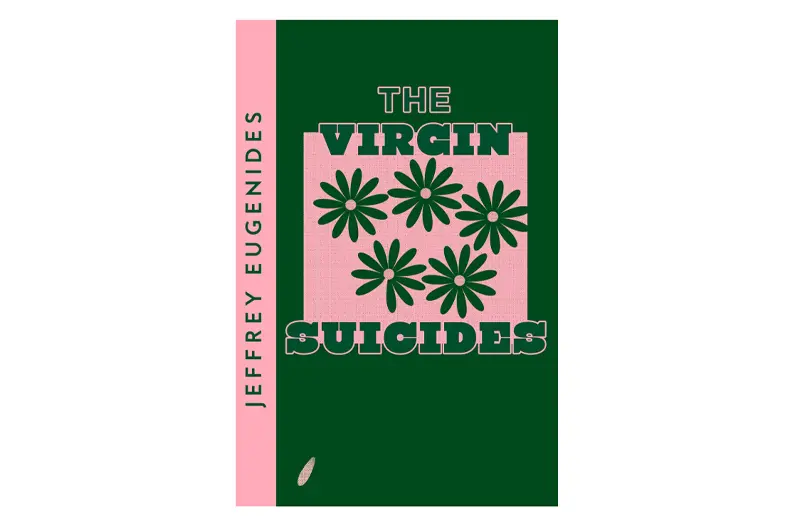
Reading Jeffrey Eugenides’ The Virgin Suicides inspired her to try adapting a chapter into a screenplay, which she sent to various production companies in the hope that someone might give her a chance. There was no guarantee anything would come of it, but through a combination of determination and serendipity, the project eventually became her directorial debut and the starting point of a distinctive filmmaking career, shaped by her sensitivity to atmosphere, personal experience and the emotional lives of young women.
Sofia spoke about finding poetry in small moments and the importance of telling a story from a particular point of view. With The Virgin Suicides, she wanted us to experience the Lisbon sisters through the eyes of the boys who were fascinated by them, giving the film the dreamlike quality of a memory. She also drew inspiration from Martin Scorsese’s use of freeze frames. This attention to whose perspective shapes a story became central to her filmmaking.
Historical splendour meets pop-cultural irreverence
When Marie Antoinette arrived in cinemas in 2006, its unconventional approach to the period drama divided critics. Kirsten Dunst plays the young Austrian archduchess who arrives at the French court to marry the future Louis XVI, played by Jason Schwartzman, entering a world of unimaginable luxury, relentless scrutiny and suffocating etiquette.
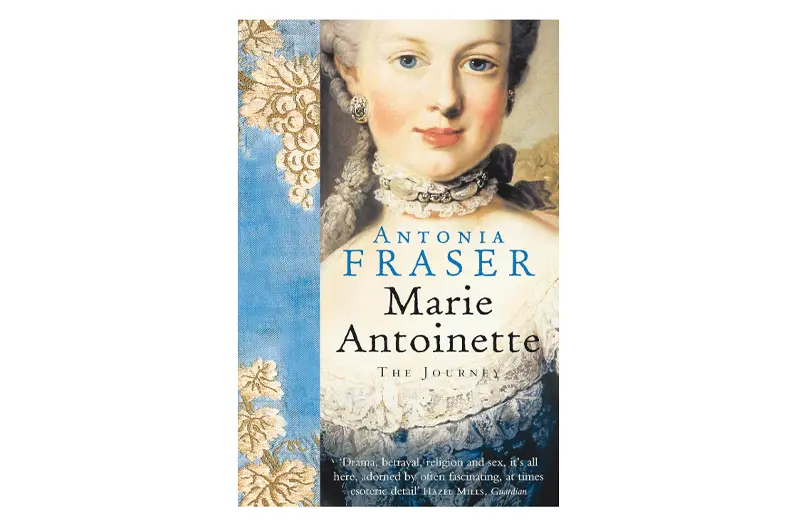
Coppola explained how reading Antonia Fraser’s biography Marie Antoinette: The Journey had struck her with just how young the future queen was when she arrived in France. Having attended several different schools herself, Sofia recognised the nervousness of entering an unfamiliar environment, trying to make friends and working out its unspoken rules. She wanted audiences to experience Versailles through the eyes of a teenager, with all the excitement, bewilderment and frustration that entailed.
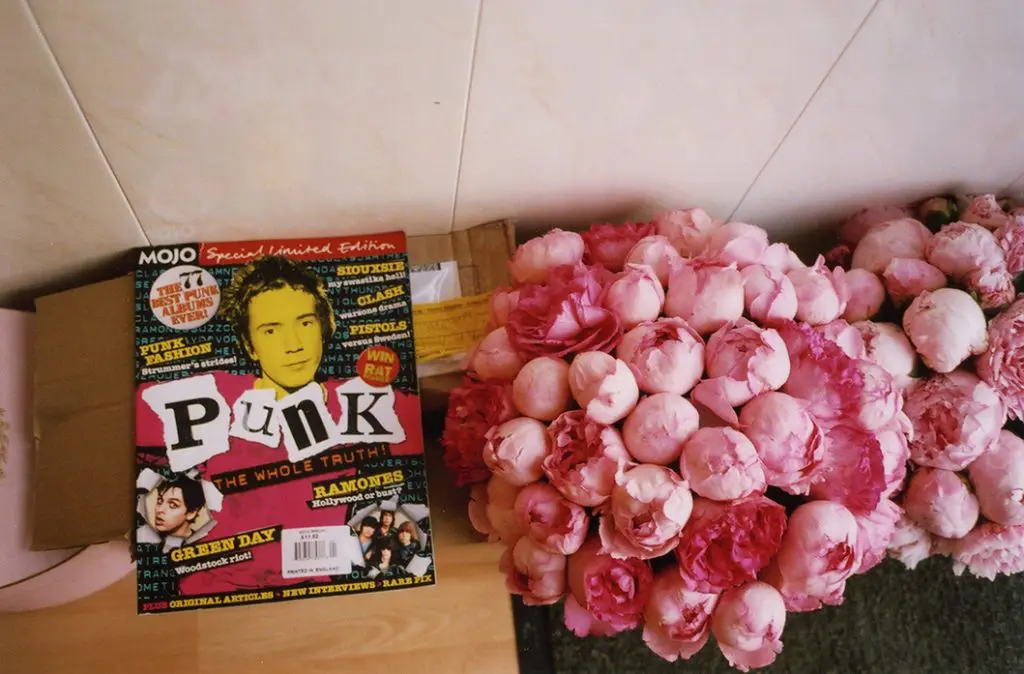
This youthful perspective informed the film’s entire visual world. Coppola drew inspiration from the New Romantic scene, particularly Bow Wow Wow and Vivienne Westwood, alongside the extravagant creations of John Galliano. She assembled extensive reference books and mood boards, exploring the colours, textures, fashions and feelings that would shape her interpretation of 18th-century France.
Her brother had also introduced her to Ken Russell’s Lisztomania (1975), a flamboyantly irreverent interpretation of Franz Liszt’s life that demonstrated how history could be approached with a playful, contemporary sensibility. Coppola embraced that freedom, bringing the glamour and rebellious spirit of youth culture into the gilded world of Versailles.
And what a soundtrack Marie Antoinette has. New Order, The Cure, Bow Wow Wow and The Strokes give the film an energy that makes its teenage protagonist remarkably relatable. I suspect Bow Wow Wow might enjoy another flurry of downloads once Making Marie Antoinette reaches a wider audience. This delicious meeting of 18th-century splendour and pop-cultural irreverence arguably helped pave the way for unconventional period productions such as The Favourite and The Great.
The extraordinary challenge of filming at Versailles
The production of Marie Antoinette was a formidable undertaking. The filmmakers were initially told that shooting at the Palace of Versailles would be impossible, but eventually secured unprecedented permission to film within its historic rooms.
But there were considerable restrictions. The filmmakers could generally work in the palace only on Mondays, when it was closed to visitors. With such limited access, an enormous amount of preparation and coordination was required. Some rooms were recreated elsewhere, allowing the team greater control over the sets and filming schedule.
Production designer K.K. Barrett, supervising art director Anne Seibel and set decorator Véronique Melery worked together to translate Sofia’s vision into a physical world of richly layered interiors, extraordinary furnishings and decorative detail. Sofia’s mood boards and references helped establish a visual language across the architecture, furniture, costumes and cinematography.
The scale of the production was overwhelming at times. Sofia spoke candidly about her self-doubt, later finding it uncomfortable to watch footage of her younger self still learning how to assert her authority as a director. Eleanor was a reassuring presence amid the pressure, someone with whom Sofia could share the exhaustion and frustration she might have concealed from the hundreds of people looking to her for direction. Her camera captured these moments alongside the practical work of filmmaking, revealing the human experience behind the magnificent images.
A feast of furniture, flowers, fabrics and food
For lovers of interiors, Marie Antoinette offers an almost inexhaustible collection of visual pleasures. Floral wallpapers, embroidered silks, elaborate upholstery, gilded mirrors, beautifully carved furniture and extravagant flower arrangements create a world of astonishing decorative richness. Yet the interiors also tell us a great deal about Marie’s experience of court life.
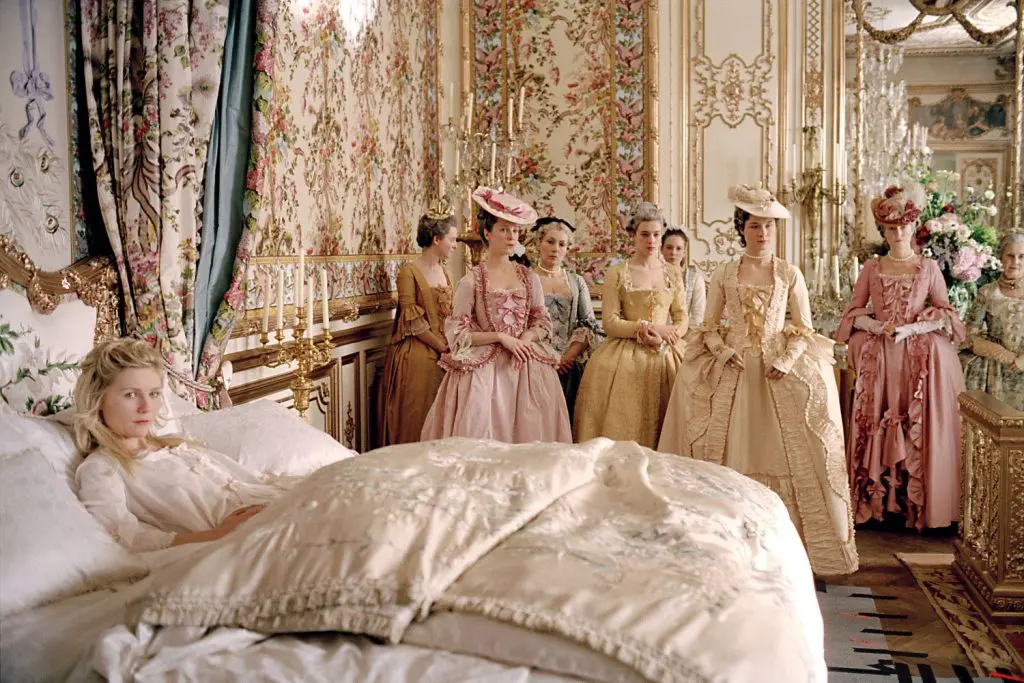
Take her magnificent ceremonial bedchamber, with its intricate gilded carvings, richly patterned walls and extraordinary canopied bed. It represents the pinnacle of royal luxury, yet becomes the setting for one of the film’s most uncomfortable rituals. Even getting dressed involves a bewildering hierarchy of etiquette, with ladies entitled to assist Marie according to their rank. The bed becomes a stage for this exhausting public performance, where personal space and court ceremony are inseparable.
The bedroom reportedly cost approximately €300,000 to recreate, including painstaking reproductions of historical fabrics. Much of the furniture throughout the film was specially constructed in the style of 18th-century French design, from carved and upholstered armchairs to ornamental commodes and delicate occasional tables. It’s fascinating to think that objects appearing centuries old were made specifically for the camera.
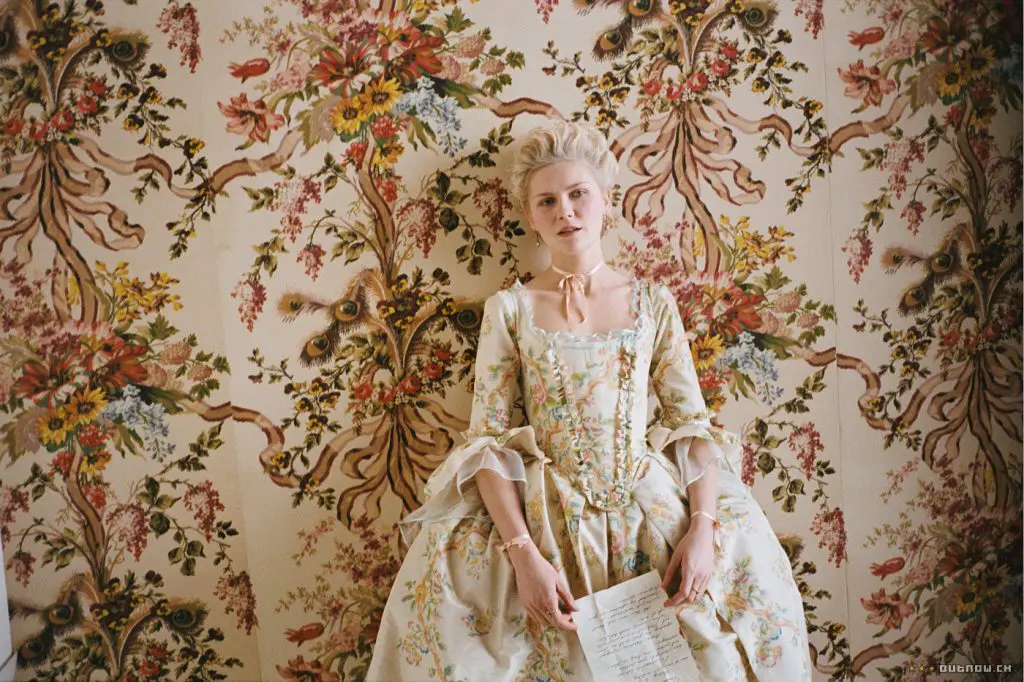
The contrast with the Petit Trianon, Marie’s retreat from court life, is revealing. Here, the grandeur and rigid formality of Versailles give way to softer colours, lighter furnishings and flowing white curtains, which set decorator Véronique Melery used to suggest a greater sense of freedom. Marie begins to shape her surroundings according to her own tastes, although there’s a delicious irony in her carefully orchestrated version of rural simplicity, made possible by extraordinary privilege. The changing interiors reflect her desire for a life beyond the rituals of the royal court.
Colour plays an equally important role. Pale pinks, powder blues, turquoise, soft greens and gold are echoed in Milena Canonero’s exquisite costumes, with silks and embroidery creating a wonderful visual relationship between the characters and the rooms they inhabit.
Then there are the magnificent flowers and extraordinary food displays. Lavish arrangements complement the interiors, while towering cakes, macarons and beautifully presented pastries become decorative objects in their own right. One particularly enjoyable moment in Eleanor Coppola’s documentary shows production designer K.K. Barrett arranging the food displays, a reminder of the attention lavished on details that might appear on screen for only a few seconds.
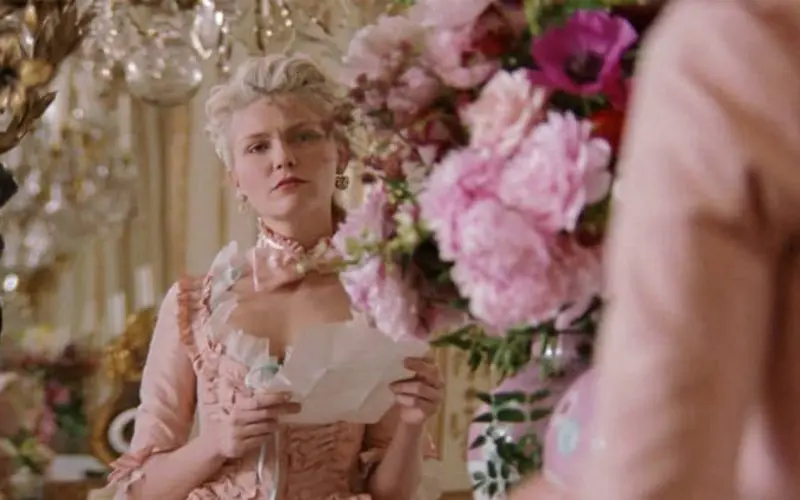
Eleanor’s background in art direction gave her a particular appreciation of the craftsmanship behind the costumes, flowers, fabrics and reproductions of 18th-century food. Her footage also reveals the staggering scale of the costume and hair departments, including the extraordinary number of wigs required for the extras. Judging by what we see, the production must have gone through industrial quantities of hairspray.
From the grandest ceremonial bed to the smallest macaron, every detail contributes to Coppola’s wonderfully cohesive vision of Versailles.
Behind the splendour: The art of making a movie
Eleanor’s footage takes us into the bustle of production, from the elaborate costume preparations and logistical challenges of filming at Versailles to the more spontaneous moments between takes.
Jason Schwartzman brings considerable humour to proceedings, while Kirsten Dunst’s playful quality, which Coppola had in mind when writing the role, is particularly evident. Having grown up in the film industry herself, Dunst was familiar with the pressures of performing from a young age, bringing both youthful exuberance and vulnerability to her portrayal of Marie.
The documentary reveals the extraordinary collaboration required to bring Coppola’s vision to life. Production design, set decoration, costumes, cinematography and the work of hundreds of craftspeople combine to create a world that feels remarkably effortless on screen.
Eleanor’s camera also captures the conversations, preparations and fleeting interactions that make up the life of a film set. Her warmth and genuine interest in the people around her are apparent throughout. Producer Youree Henley has reflected on her gift for capturing these easily overlooked moments, preserving the temporary community that forms during production.
Her journals, read by Diane Lane, add another intimate dimension, offering a mother’s perspective on her daughter’s creative journey and the pressures of such an ambitious undertaking.
There’s a fascinating connection between mother and daughter in their approach to filmmaking. Just as Sofia used camerawork, music and editing to establish Marie Antoinette’s perspective, Eleanor’s footage has been shaped into a story with its own distinctive point of view.
Following Eleanor’s death in 2024, editor Aaron Matthews, alongside co-producer Liz Bird, creative consultant Davia Nelson and Sofia as producer, helped bring her documentary to completion. Twenty years after Eleanor filmed her daughter bringing Marie Antoinette to life, Sofia helped realise her mother’s own creative vision.
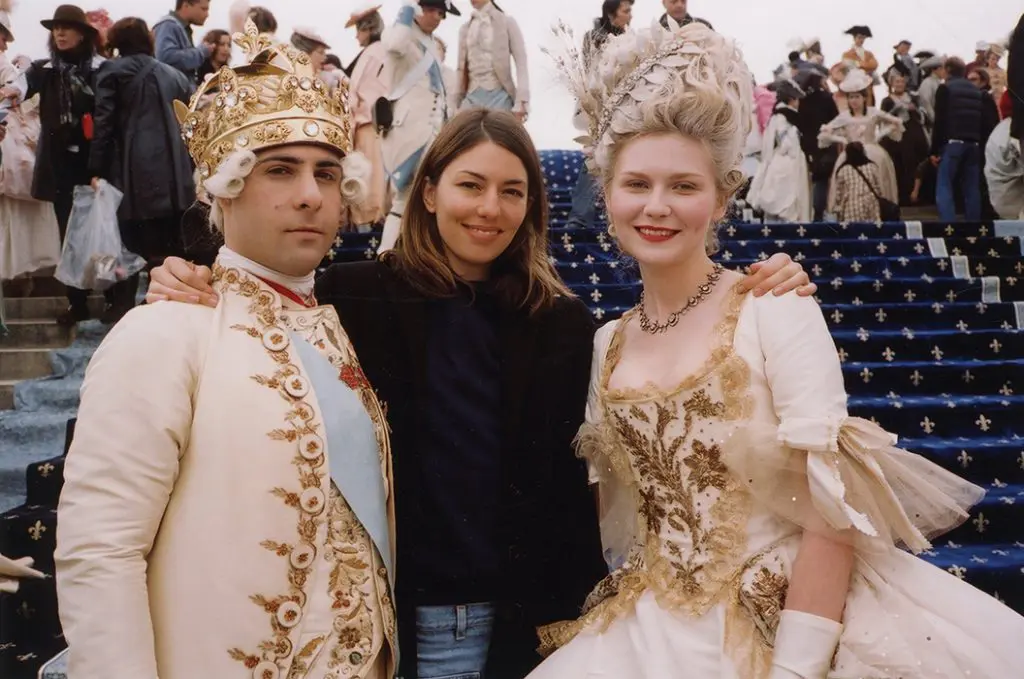
Twenty years on, the magic of Marie Antoinette
Two decades after its release, Marie Antoinette remains a wonderful source of inspiration for lovers of film, furniture and design. Its lavish interiors, rich colours and playful interpretation of 18th-century style still feel remarkably fresh.
The anniversary is being celebrated with an exhibition at the Petit Trianon at Versailles, running until 24 January 2027, and a new photographic book by Andrew Durham, also titled Making Marie Antoinette. The original film returns to UK cinemas in a new 4K restoration from 13 November.
Eleanor Coppola’s documentary adds another dimension to a film we’ve admired for years. Seeing the craftsmanship and personalities behind those beautiful images makes us appreciate them all the more, while the relationship between mother and daughter brings an unexpected emotional depth.
It was wonderful to see so many young people in the audience at Sofia’s Screen Talk, a reminder of how her distinctive creative vision continues to inspire a new generation of film lovers and aspiring filmmakers. Her openness about self-doubt, artistic influences and the sometimes uncertain path towards filmmaking made her insights all the more encouraging. Perhaps Making Marie Antoinette, with its revealing portrait of the creative process, will inspire another generation to bring their own visions to the screen.
And for us at Film and Furniture, we’ll certainly keep returning to those glorious interiors, discovering another remarkable piece of furniture, beautiful fabric or decorative detail that deserves its own moment in the spotlight.
Making Marie Antoinette (2026), directed by Eleanor Coppola, is in UK and Irish cinemas now and streams exclusively on MUBI from 6 November 2026.
Sofia Coppola’s Marie Antoinette (2006) returns to UK cinemas in a new 4K restoration from 13 November 2026.
This feature is FREE to Classic members.
Join our newsletter community to receive Film and Furniture inspiration direct to your inbox and we’ll UPGRADE you to Classic Membership (which includes access to our exciting giveaway draws) for FREE.


 Facebook
 Twitter
 Instagram
 Pinterest
 RSS