


The Phoenician Scheme: A Visual Ode to European Elegance, Art, and Design
Wes Anderson’s latest film is yet another visual masterpiece from the one director we can rely upon for attention to detail and distinctive visual storytelling. The Phoenician Scheme’s design is an ode to European elegance and art, transporting us to a fictional land of luxury, intrigue, and eccentricity.
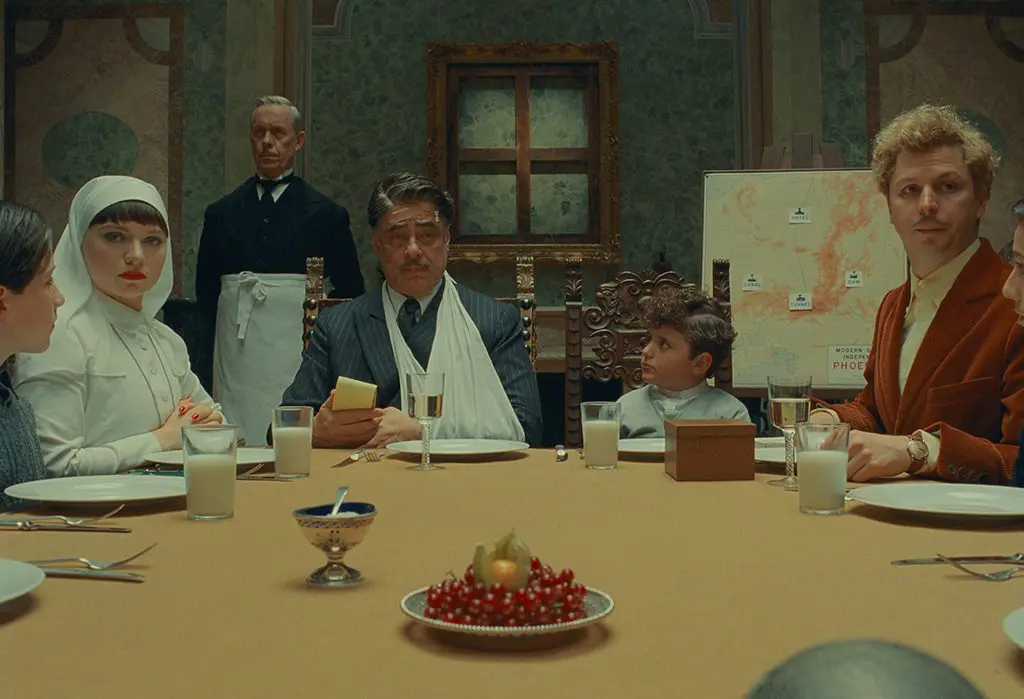
Credit: Courtesy of TPS Productions/Focus Features © 2025 All Rights Reserved.
Anderson’s latest film offers a remarkable journey through the opulent world of Anatole “Zsa-zsa” Korda (Benicio del Toro), a 1950s tycoon with a flair for the extravagant. Production designer Adam Stockhausen and set decorator Anna Pinnock collaborated to create an interior world filled with luxurious furniture, iconic art, and whimsical elements, all contributing to the film’s distinctly Andersonian aesthetic. From the grand staircase to Korda’s opulent bath scene—an homage to Scarface director Brian De Palma—the design tells the story of a man obsessed with power, wealth, and influence.
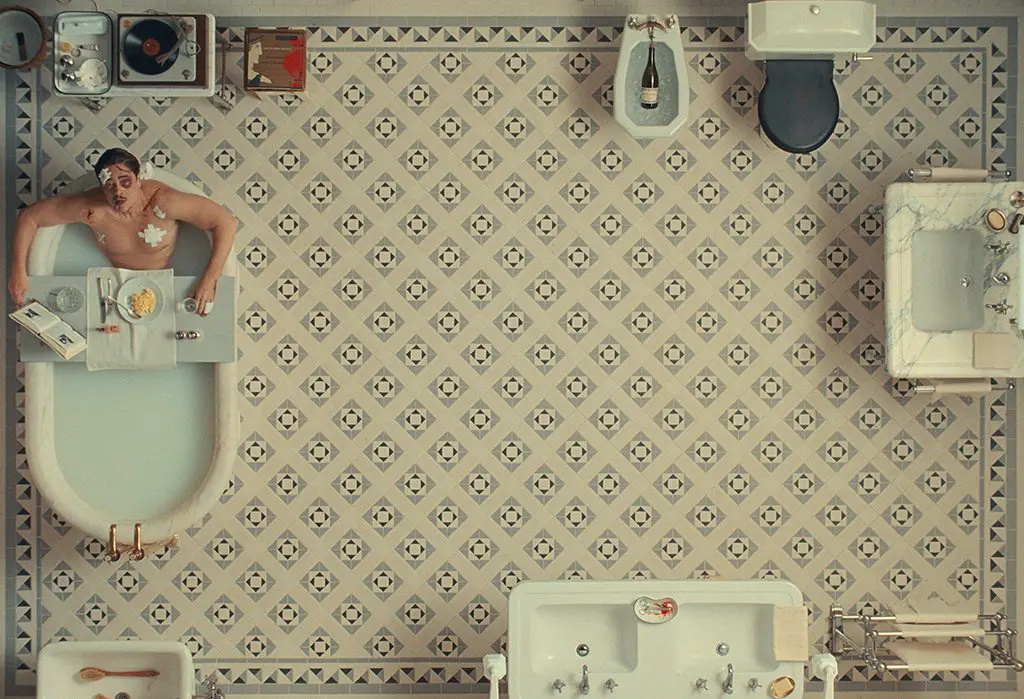
Credit: Courtesy of TPS Productions/Focus Features © 2025 All Rights Reserved.
At the heart of the film is Zsa-zsa’s sprawling home, a blend of Italian palazzo grandeur and trompe l’oeil artistry. The house, built within Studio Babelsberg in Potsdam, Germany, serves as the perfect setting for Korda’s obsession with wealth and influence. Inspired by real-life art collections, such as the famed Gulbenkian collection, the space features an array of priceless works, including real pieces by Renoir and Magritte, curated by art advisor Jasper Sharp. One standout piece, a Renoir once owned by Greta Garbo, hangs above Liesl’s (Mia Threapleton) bed, providing a striking contrast to the chaos surrounding it.
-
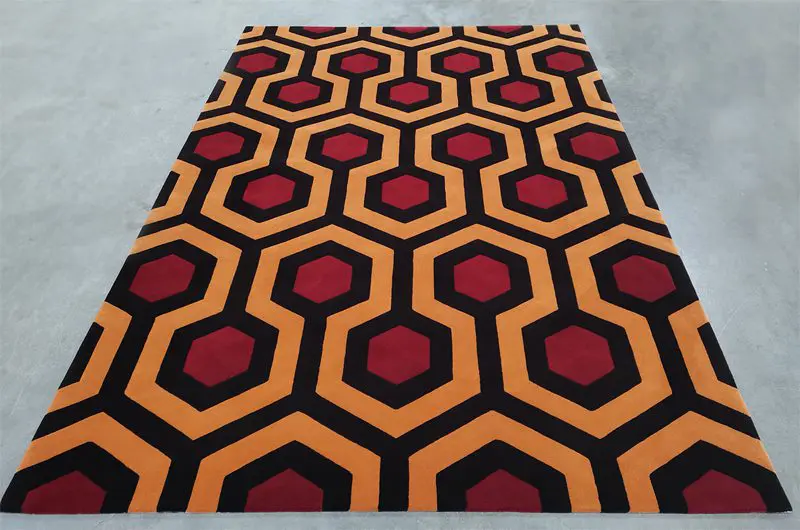
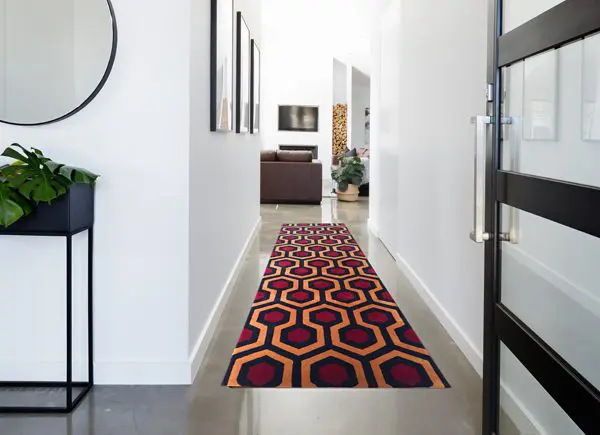
Hicks’ Hexagon officially licensed luxury rugs and runners, designed by David Hicks, as seen in The Shining Overlook Hotel
Designer: David Hicks
Film and Furniture
Directors: Stanley Kubrick, Steven Spielberg, Mike Flanagan
Shop NowOfficially licensed Hicks’ Hexagon rugs and runners as seen in The Shining‘s Overlook Hotel (original design by David Hicks). High quality, custom made, hand tufted 1 ply wool. One of the most iconic carpets in film
Approx Price range: £1,572.00 through £7,342.00 Inc VAT if applicable / $2106

The film’s integration of original masterpieces into the set design adds an air of sophistication and luxury, aligning with Korda’s character. Stockhausen, in collaboration with Sharp, sought out institutions like the Hamburger Kunsthalle to secure loans of renowned paintings, providing a sense of authenticity and historical weight to the story. The presence of these masterpieces enhances the immersive experience and impacts the tone of the film, subtly influencing the performances.
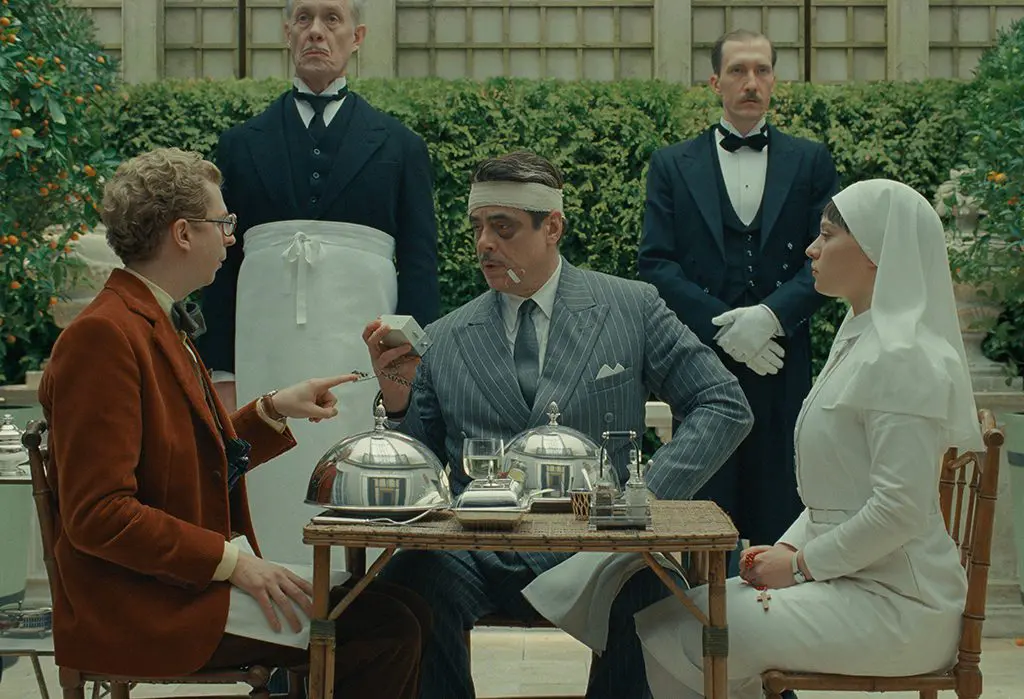
Credit: Courtesy of TPS Productions/Focus Features © 2025 All Rights Reserved.
The home’s design is both a reflection of Korda’s character and a showcase of Anderson’s vision. The Phoenician Scheme‘s design, particularly the grand entrance gallery, was inspired by the palatial villas and castles around Berlin, incorporating trompe l’oeil marble walls and columns to replicate the craftsmanship of Venetian palazzos. The team decided to recreate these features in the same traditional hand-painted style, adding an authentic and timeless feel to the sets. This attention to detail is evident throughout the residence, where every surface is thought through, merging art and architecture in a way that mirrors Korda’s obsession with collecting and control.
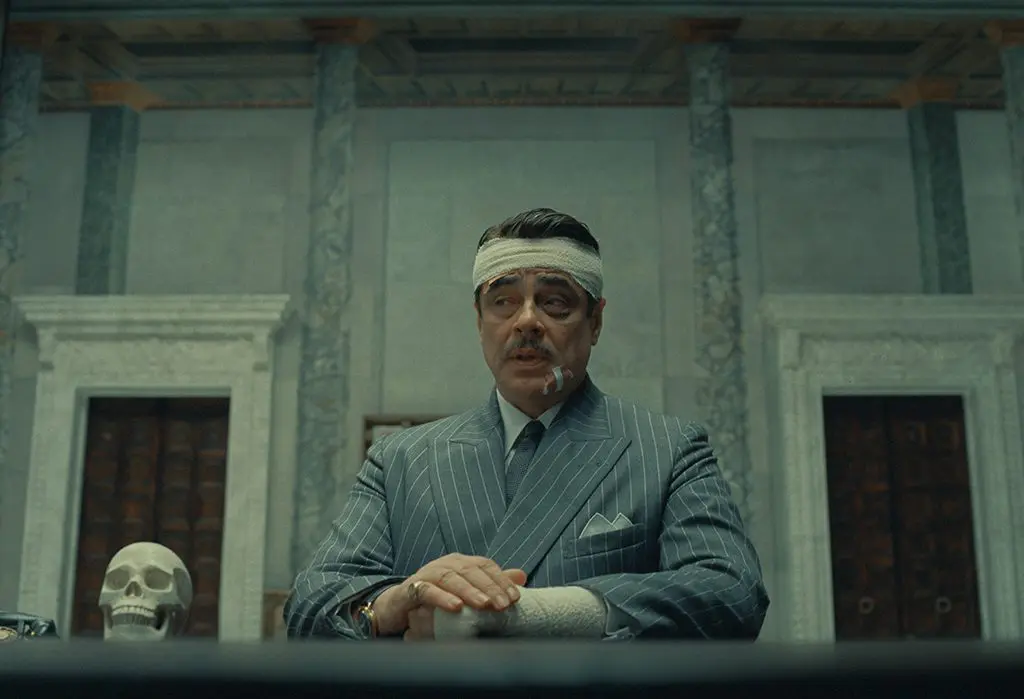
Credit: Courtesy of TPS Productions/Focus Features © 2025 All Rights Reserved.
The movie’s maximalist approach extends far beyond the architecture of Korda’s residence. From the Egyptian Revival ballroom, with its hieroglyphic stenciled walls, to the glamorous nightclub set, every element has been carefully chosen to complement the characters and the story. The design moves seamlessly between worlds, from exotic nightspots to underground tunnels, as Korda embarks on his international quest. The sumptuous sets are a backdrop to a narrative that spans power, family, and ambition—bringing design and decor to the forefront.
-
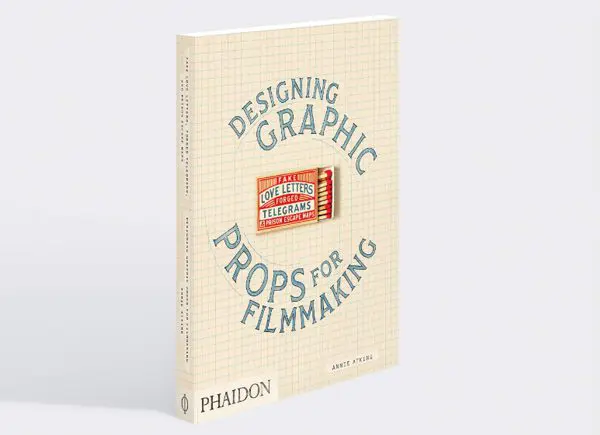
Fake Love Letters, Forged Telegrams, and Prison Escape Maps: Designing Graphic Props for Filmmaking
As seen in:Shop NowAnnie Atkins’s new book, Fake Love Letters, Forged Telegrams, and Prison Escape Maps: Designing Graphic Props for Filmmaking takes a behind-the-scenes look at the extraordinary and meticulous design of graphic objects for film sets.
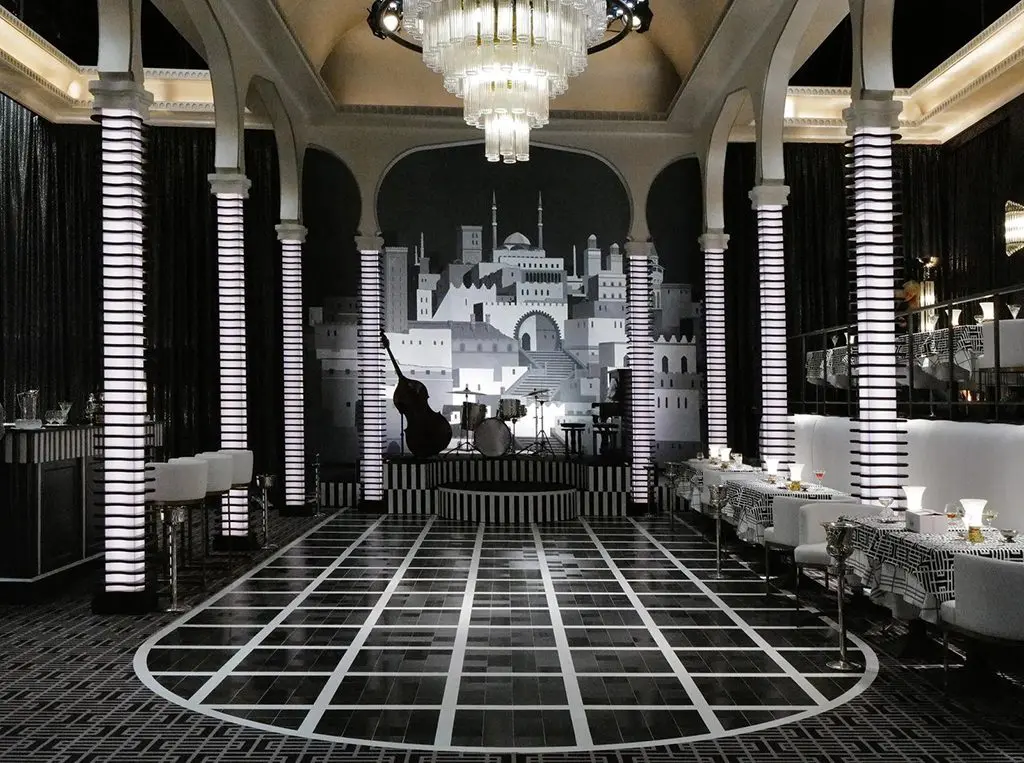
The costume design, led by Anderson’s long-term collaborator Milena Canonero (who also designed the distinctive costumes for A Clockwork Orange), complements the ornate interiors with its own level of precision. Canonero’s costumes are a reflection of Anderson’s signature style—each outfit carefully chosen to enhance the visual language of the film and the personalities of its characters. From the bespoke creations for Liesl to the iconic accessories worn by other characters, the costumes are as integral to the story as the sets
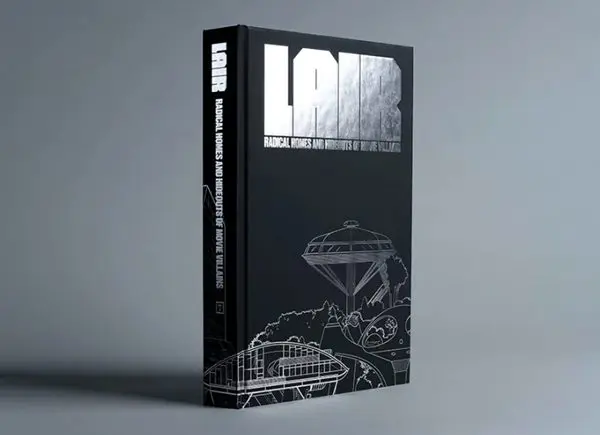
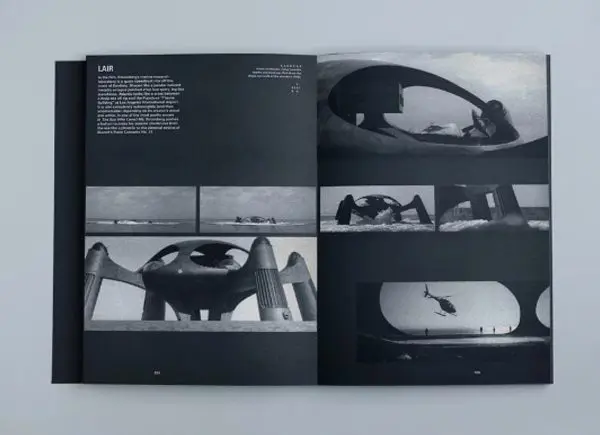
The craftsmanship of The Phoenician Scheme’s sets extends into the practical effects, with many scenes grounded in tangible textures. The practical effects team, led by Nefzer Special Effects, added layers of realism to the whimsical world Anderson envisioned. From cotton ball clouds to a dragonfly puppet on the window, these small touches add a sense of tactile authenticity to the otherwise fantastical world.
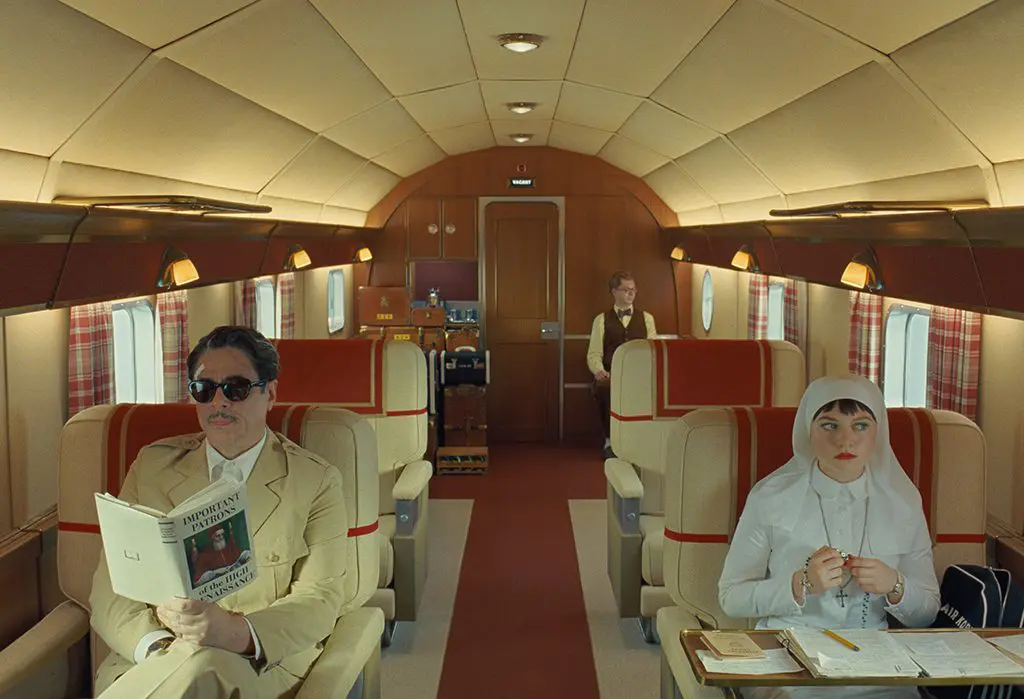
Even the smallest of design choices have been infused with meaning, from the bespoke Cartier gift for Liesl to the custom-designed Prada rucksack—manifestations of Zsa-zsa’s obsession with status and control.
Credit: Courtesy of TPS Productions/Focus Features © 2025 All Rights Reserved.
For Stockhausen, The Phoenician Scheme’s design process was an evolving journey, one that grew and shifted over time. It was Wes Anderson’s suggestion to look at Italian palazzos and the trompe l’oeil work of Venice that truly shaped the final look of Korda’s home. This evolution mirrors the film’s narrative, where Korda’s vision—like the house itself—never feels fully finished, always in the process of being completed, much like his insatiable need to build his legacy.
The set design is a triumph of craftsmanship, ambition, and aesthetic harmony. Stockhausen’s work transforms the soundstages at Babelsberg into a cinematic playground of opulence and illusion. The lavish interiors are not just backdrops but active characters in the story, communicating the inner workings of Zsa-zsa’s mind and the complexities of his world. As Anderson’s vision unfolds, we are invited to explore a universe where furniture, art, and decor are integral parts of the storytelling process.
Immerse yourself in Anderson’s world of visual storytelling: The Phoenician Scheme is in select cinemas now and on wider release from 6 June.
This feature is FREE to Classic members.
Join our newsletter community to receive Film and Furniture inspiration direct to your inbox and we’ll UPGRADE you to Classic Membership (which includes access to our exciting giveaway draws) for FREE.




 Facebook
 Twitter
 Instagram
 Pinterest
 RSS
RSS